Showing posts with label Sales. Show all posts

Friday, July 24, 2026

[VIDEO] Listen More and Talk Less to Maximize Sales

Posted By: George Deeb - 7/24/2026

I was recently interviewed by ASBN , an online "television network" serving the small business community, about how listening more...


I was recently interviewed by ASBN, an online "television network" serving the small business community, about how listening more than you speak during a sales pitch will help you close more sales.  Speak less about your product and ask more probing questions of your clients to better learn and solve their painpoints.  I thought this video turned out great, and I wanted to share it with all of you. I hope you like it!!


The embedded video player didn't give me the option to change the size of this video.  But, if you want to see a bigger version, simply click the expand size button in the player above.

Thanks again to Jim Fitzpatrick and the ASBN team for having me on the show.  I look forward to our next interview together.

For future posts, please follow me on Twitter at: @georgedeeb.

Thursday, June 4, 2026

[VIDEO] Stop Chasing Revenues and Start Measuring These KPIs Instead

Posted By: George Deeb - 6/04/2026

I was recently interviewed by ASBN , an online "television network" serving the small business community, about how driving profit...


I was recently interviewed by ASBN, an online "television network" serving the small business community, about how driving profitable growth is dependent on driving the underlying KPIs that will enable that, including average order sizes, conversion rates and cross-sell rates.  This includes setting your commission plan based on gross profit instead of revenue, to ensure your sales team isn't simply "giving it away", and so they become educated on the highest margin products to be selling.  As you will learn, all revenues are not created equal.  I thought this video turned out great, and I wanted to share it with all of you. I hope you like it!!


The embedded video player didn't give me the option to change the size of this video.  But, if you want to see a bigger version, simply click the expand size button in the player above.

Thanks again to Jim Fitzpatrick and the ASBN team for having me on the show.  I look forward to our next interview together.

For future posts, please follow me on Twitter at: @georgedeeb.

Saturday, April 11, 2026

[VIDEO] Don't Chase Short-Term Revenues at Expense of Long-Term Success

Posted By: George Deeb - 4/11/2026

I was recently interviewed by  ASBN , an online "television network" serving the small business community, about potential pitfall...


I was recently interviewed by ASBN, an online "television network" serving the small business community, about potential pitfalls entrepreneurs fall into when chasing short-term revenues.  This video will help you learn which types of revenues/clients to avoid so it doesn't negatively impact your business.  As you will learn, all revenues are not the same shade of green.  I thought this video turned out great, and I wanted to share it with all of you. I hope you like it!!


The embedded video player didn't give me the option to change the size of this video.  But, if you want to see a bigger version, simply click the expand size button in the player above.

Thanks again to Jim Fitzpatrick and the ASBN team for having me on the show.  I look forward to our next interview together.

For future posts, please follow me on Twitter at: @georgedeeb.


Tuesday, May 27, 2025

[VIDEO] How to Hire the Right Salesperson

Posted By: George Deeb - 5/27/2025

I was recently interviewed by  ASBN , an online "television network" serving the small business community, about how how to hire t...


I was recently interviewed by ASBN, an online "television network" serving the small business community, about how how to hire the right salesperson for your business's specific needs.  This video will help you learn more about the 1,024 different types of salespeople, and the questions you need to ask during your interviews to have your salesperson hire hit the bullseye.  I thought this video turned out great, and I wanted to share it with all of you to make sure you are optimizing your hiring practices here, which will in turn optimize your revenues. I hope you like it!!


The embedded video player didn't give me the option to change the size of this video.  But, if you want to see a bigger version, simply click the expand size button in the player above.

Thanks again to Jim Fitzpatrick, Shyann Malone and the ASBN team for having me on the show.  I look forward to our next interview together.


For future posts, please follow me on Twitter at: @georgedeeb.


Friday, February 28, 2025

[VIDEO] Strategies for Creating Successful Sales & Marketing Plans

Posted By: George Deeb - 2/28/2025

I was recently interviewed by  ASBN , an online "television network" serving the small business community, about how how to create...


I was recently interviewed by ASBN, an online "television network" serving the small business community, about how how to create a successful sales and marketing plan for your business.  You will learn everything you need about the building blocks needed for scaling your revenues.  I thought this video turned out great, and I wanted to share it with all of you to make sure you have properly "done the math" to ensure your revenue goals will actually be hit. I hope you like it!!


The embedded video player didn't give me the option to change the size of this video.  But, if you want to see a bigger version, simply click the expand size button in the player above.

Thanks again to Jim Fitzpatrick, Shyann Malone and the ASBN team for having me on the show.  I look forward to our next interview together.


For future posts, please follow me on Twitter at: @georgedeeb.

Wednesday, January 3, 2024

Increasing Conversion Rates Can Materially Boost Revenues

Posted By: George Deeb - 1/03/2024

It's common to close approximately 20% of leads and lose 80%. What's frequently overlooked in the search for growth, however, is tha...


It's common to close approximately 20% of leads and lose 80%. What's frequently overlooked in the search for growth, however, is that increasing that conversion rate by just 10 percentage points can be the equivalent of increasing revenues by no less than 50%. That's why, in my experience, a rigorous analysis of lost opportunities is among the most pivotal steps to consider when a change in strategy is needed.

Some missed sales are directly related to the selling company, including the product and its pricing and marketing. Some are related to buyers' companies, including having management approval and budgets in place. Some are related to individuals involved in a transaction, including salespeople, the buyer at a customer's company or some other middlemen. Finally, some are related to entirely external factors, including competition and economic conditions. The key is figuring out which of these is/are the reason you lost each opportunity, and then putting detailed actions into place to address each.

Read the rest of this post on Entrepreneur, which I guest authored this week.

For future posts, please follow me on Twitter at: @georgedeeb.


Wednesday, November 8, 2023

Lesson #356: Artificial Intellegence is Revolutionalizing Sales Coaching

Posted By: George Deeb - 11/08/2023

I was recently introduced to James Critelli , a startup sales and marketing expert that is advising a company called Sybill , who is using a...


I was recently introduced to James Critelli, a startup sales and marketing expert that is advising a company called Sybill, who is using artificial intelligence (AI) and automation to streamline the workflows of B2B sales reps. One of the applications of that technology is helping to revolutionize how sales coaching is done.  They had some great ideas and solutions on this topic, and agreed to collaborate with me on this Red Rocket lesson, to help jump start your sales coaching to next generational thinking.
___________

The world of sales coaching is changing rapidly, and as a sales leader, you need to be on top of the game. That's where generative AI, like ChatGPT, comes in. While generative AI has found a ton of use cases already in marketing and software development, its potential in sales, sales coaching, and training, and revenue operations is still in its infancy to be explored. In this post, we'll discuss how generative AI can elevate your sales coaching game, drive your team to hit quotas and propel your business forward.

The Role of AI in Modern Sales Coaching

AI has permeated almost every aspect of our lives, and sales coaching is no exception. Traditional sales coaching methods are increasingly being replaced by AI-driven tools and techniques that can help sales leaders and coaches analyze data, identify areas of improvement, and provide personalized training to their sales reps.

Why Generative AI Matters for Sales Leaders

Generative AI, such as ChatGPT, can generate human-like text based on a given input, making it an invaluable resource for sales leaders. All you need to do is figure out what to give ChatGPT as the context and the prompt, and it can play a variety of roles for you. In this post, we will discuss how you can use ChatGPT (or similar generative AI text systems) to roleplay a customer call, serve as a learning management tool for the product marketing material and other company-specific context for new reps, and help you identify weaknesses in reps’ handling of customers by analyzing call transcripts and emails and pointing out the issues.  

With the power of generative AI, sales leaders can automate various aspects of sales coaching, freeing up time for more strategic tasks and enabling them to focus on what matters most: driving revenue and leading their teams to success.

Identifying Coaching Opportunities With Generative AI

Analyzing Sales Rep Performance

Generative AI can analyze vast amounts of data, including sales rep performance metrics, to pinpoint areas that require attention. By identifying trends and patterns in how the rep has handled customer conversations on the phone, video calls, and emails, AI-driven tools can help you develop targeted coaching initiatives to address specific weaknesses.

For example, we fed the transcript of an old call to ChatGPT, and asked it to pinpoint the salesperson Nishit's areas of improvement from this call. 


These are helpful starting points, and should already get your wheels turning. What did we do next?

We asked it to give us specific examples from the conversation where the salesperson did poorly in “asking open-ended questions”, and a few sample ways in which the salesperson could have done better. 

Targeting Key Areas For Improvement

Once you've identified the areas where your sales reps need improvement, generative AI can provide insights into the best ways to tackle these issues. By generating personalized coaching plans, AI can empower you to provide tailored guidance that truly resonates with each member of your team.


AI-Powered Training and Development

Leveraging LLM-Generated LMS Systems

Generative AI can also play a crucial role in creating and maintaining Learning Management Systems (LMS). By generating customized LMS content tailored to your sales reps' specific needs, you can ensure they receive relevant training that helps them develop the skills they need to excel in their roles.


Customizing Quizzes and Assessments for Each Sales Rep

AI-driven tools can also create personalized quizzes and assessments that test your sales reps' understanding of the training material. This allows you to gauge the effectiveness of your training programs and make any necessary adjustments to help your team reach its full potential.


Roleplaying Sales Scenarios With Generative AI

Preparing for Important Calls

Roleplaying is a tried-and-true sales coaching technique, and generative AI can take it to the next level. By simulating various sales scenarios, AI-driven tools can help your sales reps practice their pitch, objection handling, and closing techniques before they ever step foot in a real sales call.

Enhancing Communication Skills Through AI-Driven Feedback

Generative AI can also provide real-time feedback on your sales reps' communication skills during roleplay sessions. This can help them fine-tune their approach, resulting in more effective sales calls and, ultimately, higher close rates.


AI-Assisted Call Scripts for Discovery and Demo Calls

Crafting Personalized Call Scripts

Generative AI can generate personalized call scripts for discovery and demo calls based on a sales rep's unique selling style and the prospect's specific needs. This can ensure that your sales reps are always equipped with the right talking points to guide their conversations with potential customers.

Gaining Insights from AI-Generated Script Analyses

By analyzing the AI-generated call scripts, sales leaders can gain valuable insights into what works and what doesn't in their team's sales conversations. This information can then be used to provide targeted coaching and feedback, helping your sales reps refine their approach and improve their overall performance.


Measuring the Impact of AI-Driven Sales Coaching

Tracking Progress and Growth

By incorporating generative AI into your sales coaching efforts, you can easily track the progress and growth of your sales reps over time. AI-driven tools can help you monitor key performance indicators (KPIs) and other metrics to measure the effectiveness of your coaching initiatives, allowing you to make data-driven decisions and continuously optimize your coaching strategies.

Celebrating Success and Motivating Your Team

As your sales reps begin to see the results of your AI-powered coaching efforts, their motivation and engagement will likely increase. Be sure to celebrate their successes and use their achievements as an opportunity to reinforce the value of AI-driven sales coaching, fostering a culture of continuous learning and improvement within your team.


Conclusion

Generative AI has the potential to revolutionize sales coaching, transforming the way sales leaders support their teams and drive performance. By embracing the power of AI-driven tools like ChatGPT, you can elevate your sales coaching game, boost your team's productivity, and ultimately grow your business to the next level.

_____________________

Thanks again to James and the Sybill team for helping me with this post.  If you have any further questions on this topic, feel free to reach out to Sybill at 650-289-8160 and follow them on LinkedIn for future learnings here, as I am sure there will be many new advancements with AI in the coming years.


For future posts, please follow me on Twitter at: @georgedeeb.


Friday, May 20, 2022

Lesson #344: The Lucky 7 Steps to Channel Sales Success

Posted By: George Deeb - 5/20/2022

More often than not, most growing business typically use sales and marketing efforts to drive their revenues.  Marketing basically uses adve...


More often than not, most growing business typically use sales and marketing efforts to drive their revenues.  Marketing basically uses advertising and other techniques to bring leads into the business.  And, your sales team either closes the leads handed to them by the marketing department (inbound sales), or they actively hunt new end-clients down with prospecting efforts (outbound sales).  But, there is another path that most companies don’t pursue, which could be the most effective for quickly scaling your revenues, and that is channel sales.  This post will help you understand what channel sales is, and how best to set up your channel sales efforts for maximum success.

What is Channel Sales?

Channel sales is identifying third party companies that have large quantities of your target customers to become a reseller of your product or service, typically in exchange for some revenue share.  For example, let’s say you are a software business that helps manage a company’s financials.  Instead of calling into target companies one-at-a-time with your outbound sales team, let’s stay you reach out to a consulting firm that has hundreds of CFO relationships.  You convince them on the value of your software and how it will help their clients’ businesses and drive incremental revenues for the partner, and their sales team takes your software to market for you.  So, think of it is one-to-many selling, as opposed to one-to-one selling, which should result in a much faster go-to-market strategy and scaling revenues more quickly than you typically could on your own.  

Best Products for Channel Sales

Honestly, most any product or service could be set up for channel sales success.  In the B2C world, let’s say you are a consumer product.  Instead of calling into the end retailers directly, build a channel sales effort around selling into key distributors nationwide that already have solid relationships with the end retailers you want to be distributed through.  Or, in the B2B world, you just need to find potential partners that have large target audiences that match your product or service.  That could be selling through trade associations, consulting firms, value added resellers, or whoever else would make sense. 

Are you intrigued at this point?  Good, you should be, as channel sales is like giving your revenue growth a steroid injection.  If you are now interested in learning how best to set up your own channel sales program, follow these lucky 7 steps to success:

1.  Set Desired Partner Criteria

The first thing you need to do is define what a good partner looks like to you, as trust me, not all partners are created equal.  Setting some high level categories of potential partners and a questionnaire of key questions you want them to answer to “qualify” as being a good partner for you.  Maybe they need to be of a certain revenue or customer size?  Or focused on a potential industry?  Or have happy client references?  Or have known demand for your product or service?  Or a desire to create a new revenue stream for themselves using your product or service?  And, are willing to put some sales and marketing muscle behind the launch of the efforts together?  Or, all of the above!  A good channel partner program must be structured in a win-win way, so both sides are invested in its success and are economically incentivized to see it succeed.

As part of this, you will need to figure out how to structure the program in a way that the channel partners are not duplicating efforts, calling into the same companies or regions.  This is often done by giving the channel partner a particular region of focus (e.g., 50 different partners selling into 50 different U.S. states).  But, before giving anyone exclusivity, make them earn it in their first year.  Give them a sales target to shoot for to earn exclusivity in their region, as you won’t know if they are a good channel partner driving new clients for you, until months after the relationship kicks off.  So, don’t get blinded during their sales pitch to you as a good partner, unless you are 100% confident they are a trusted business in their space.

2.  Partner Prospecting List Creation

Now that you have set the criteria, you need to build a target list of companies to reach out to that you feel meet that criteria.  Let’s say you want to reach out to big consulting firms as channel partners, you can find lists of the largest consulting firms online.  That will give you the company name, but you need to find the right person to sell this idea to.  The bigger the idea, the higher up in the company you pitch it.  If your product or service can become a billion-dollar seller for their organization, it might be time to pitch the CEO or CFO on that idea.  Or, if it is more tactical, find an internal champion at that firm to help you sell it into their organization.  Maybe you want their head of a particular industry group that would most understand your solution.  Or, maybe they have a head of business development that you can pitch, and they will tell you the most logical person at their company most likely to be your primary relationship person.  Anyway, this phase is all about buildings lists of companies, individuals and their contact information.

3.  Selling & Acquiring Partners

Just as you would sell an end-customer, you will need to sell the channel partner.  Expect this time, in addition to pitching your product or service, it is more important you pitch the benefits of the channel partnership to the partner.  You will need to emphasize how much money they will make from the relationship (e.g., from a 20% revenue share), and what your plan is to support them and their customers going forward.  So, make sure you have a good pitch deck for this purpose, a good calling and follow up strategy, and a draft of the partner agreement detailing everyone’s roles and responsibilities here.  It is particularly important to detail how they plan to bring sales and marketing support, as your product or service won’t sell itself.

4.  Onboarding Partners

Getting a contract to close is only half the battle; now comes the hard part.  The partner is going to need to be onboarded to help make them successful.  This includes having training materials and setting up a training program on your products and desired process.  The point here, like in anything, you will need to invest in the partner in order to achieve the desired outcome of success.  It’s much more than simply signing the contract.

5.  Partner Marketing & Support

Now comes their hard part, they are going to have to put effort into sales and marketing, making their customers aware of your new product or service.  The promotional plan will have been detailed in the agreement, and now is the time to execute that plan.  But, you will need to assist your channel partners.  They will need example product pitch decks, email/phone scripts, etc.  Anything you would give your inside sales team, you will need to give your outside channel partners, for them to be successful.  And, you will need to provide them a “hot desk” contact number, in case any of their clients or salespeople have any questions best answered by you.  So, support your channel partners, no different than you would support your in-house sales team.

6.  Revenue Sharing & Reporting

Assuming the channel partners are successful in finding you customers, now we need to pay them their agreed upon revenue share.  So, you will need a clear process to attribute sales from a particular partner.  If you are an online business, oftentimes, that can be done with affiliate tracking software; you give each partner a unique URL to promote, and then if anything closes, they get credit for the sale.  If you are an offline business, it is a more manual process.  That could be the partner gets credit for each lead they send you in your CRM.  Or if they are promoting your product to their customers, they give their customer a unique coupon code or reference ID number they give you at the time of the sale.  But, these revenue share calculations should be done monthly, and reported and paid to the partner at such time.  The sooner they see money flowing their way, the more they will want to promote your products or service.  So, make sure there is a clear process for tracking, reporting and paying partner revenues.

7.  Partner Nurturing & Upselling

You can’t think of this process as “one time and done”.  It is perpetual and recurring, quarter after quarter.  You should set up quarterly business reviews with your partners to make sure everyone has clear goals to shoot for and can report progress thereto.  And, your channel sales manager needs to reach out to partners to stay fresh in their minds and keep them abreast of new products or services that you may have added since the partnership started, so the partner can upsell those products to their clients, as well.  Your channel sales manager needs to manage these partner relationships, no different your sales executives manage your direct customer relationships.

Channel Sales Pitfalls

The one downside of channel partners—they will never love your business as well as you love your own business.  You will never be their sole and #1 priority.  They will obviously bias their own sales efforts over selling your products, and you may be one of many products or services that they are reselling.  That is why it is so important you do your homework upfront, to make sure this is going to be a clear win-win for both parties, so that each party are willing to invest in its success.

Closing Thoughts

Hopefully, you now have a new idea on how best to take your product to market, and channel sales may be that winning formula for your business.  Channel sales won’t replace your internal efforts, but a well-designed channel sales program will certainly augment and accelerate your stand-alone efforts.  If you have any questions, don’t hesitate to reach out.  Good luck!


For future posts, please follow me on Twitter at: @georgedeeb.


Wednesday, May 4, 2022

[VIDEO] How to Start Selling 'Wisdom' Instead of 'Widgets'

Posted By: George Deeb - 5/04/2022

I was recently interviewed by the Atlanta Small Business Network (ASBN) , an online "television network" serving the small busines...


I was recently interviewed by the Atlanta Small Business Network (ASBN), an online "television network" serving the small business community, about how to selling intelligence from data collected from your tools (e.g., Wisdom) can lead to higher revenues and long term client loyalty that simply trying to sell them the tool alone (e.g., Widget).  I thought this video turned out great, and I wanted to share it with all of you, to see if it can be helpful to you in your product design and positioning.  I hope you like it!!


The embedded video player didn't give me the option to change the size of this video.  But, if you want to see a bigger version, simply click the expand size button in the player above, or feel free to watch it on the ASBN website.

Thanks again to Jim Fitzpatrick and the ASBN team for having me on the show.  I look forward to our next interview together.


For future posts, please follow me on Twitter at: @georgedeeb.


Wednesday, March 30, 2022

[VIDEO] What's More Important--Product Features or Benefits?

Posted By: George Deeb - 3/30/2022

I was recently interviewed by the  Atlanta Small Business Network  (ASBN), an online "television network" serving the small busine...


I was recently interviewed by the Atlanta Small Business Network (ASBN), an online "television network" serving the small business community, about how to best to pitch your product to potential buyers, and whether to emphasize the product features or the resulting revenue, cost saving or user experience benefits to your customers.  I thought this video turned out great, and I wanted to share it with all of you, to see if it can be helpful to you in your selling efforts.  I hope you like!!


The embedded video player didn't give me the option to change the size of this video.  But, if you want to see a bigger version, simply click the expand size button in the player above, or feel free to watch it on the ASBN website.

Thanks again to Jim Fitzpatrick and the ASBN team for having me on the show.  I look forward to our next interview together.


For future posts, please follow me on Twitter at: @georgedeeb.


Friday, February 11, 2022

Lesson #342: Don't Aspire to Be Champion (Windows)

Posted By: George Deeb - 2/11/2022

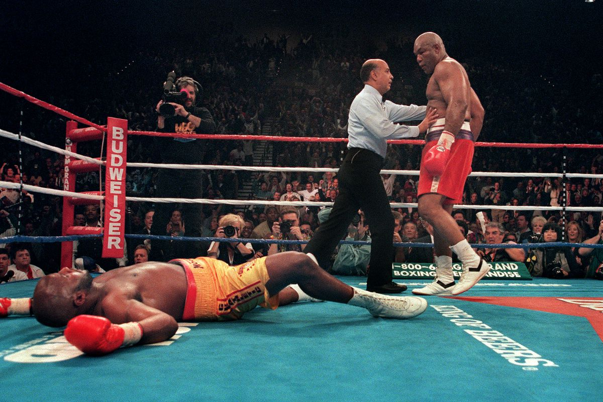
  Normally, in the world of boxing, you would aspire to be world champion, knocking out every opponent you see, pounding them into submissio...


Normally, in the world of boxing, you would aspire to be world champion, knocking out every opponent you see, pounding them into submission until they finally break.  But, the business world, is not the boxing world.  And, apparently, Champion Windows didn't get the memo, that  you are not supposed to beat up your own customer prospects.  I recently survived one of the most brutal sales experiences I have ever lived through, while shopping for new windows for my home.  This story was so unbelievable, that I needed to share it with you as a case study of what NOT to do, in your own selling efforts.

Background

I didn't now anything about the windows industry when I started this process.  All I knew was my home needed new windows.  I had heard of the big brands like Andersen and Pella, and did a little online research on them.  I ultimately invited Pella to make us a proposal.  But, these brands appeared to be more expensive than many others, for very similar products, and I wanted other options.  

Online research proved too confusing--dozens of unknown brands sounding all the same, and not knowing who to trust.  And, there were no installers that represented multiple brands, where you could compare and contrast products, much like you would in any other shopping experience.  So, I ended up swinging by Home Depot, for their thoughts, as they represented multiple brands.  They recommended the Simonton brand for my needs, so I invited them to make a quote as the windows and services would ultimately be backed up by Home Depot, a known and trusted brand.  

But, I still wanted a third quote.  I had seen a few new windows already installed in my home, so for a consistent look, I called the old owner and asked what brand she used, and she mentioned Champion Windows.  I assumed they would be more price competitive than the bigger brands like Pella, so I invited them out to the home to make a quote, as well.

The Pella Quote

The salesperson who came out to my home was pleasant and appeared knowledgeable, answering the questions I had.  He measured my 24 windows and quoted me within an hour.  He quoted me around $29,000 for their vinyl windows.  At $1,200 a window, that was a lot more than the $600-$1,000 range that was being discussed online, in terms of a reasonable budget for replacement window costs.  I guess that was to be expected from a major brand, being a little more expensive.

The Simonton Quote

Again, a very knowledge and friendly salesperson from Home Depot came to the home, showed me his products, compared the various brands in the industry (which was one of my goals), did his measurements and quoted me the project within an hour.  The quote came in around $22,000 which felt good to me, especially with how comparably rated Simonton was to Pella in the Consumer Reports reviews online.

The Champion Sales Pitch

Let me start by saying Champion was in my home for over four hours!!  And, it wasn't a single salesperson, it was a two person team (a salesperson and his boss, training the new salesperson).  It started with an outdoor tour of the house, not only looking at the windows, by trying to find other products that may need replacing (e.g, doors, sills). I can't discredit them for trying to upsell an order, if they could.  But, they were here to focus on the windows.  So, it was frustrating me that they were wasting my time on anything other than windows.

When they finally came inside.  They made me sit through a long slide show presentation.  They discussed their company, their position within the industry, their warranty, etc.  But, no discussion of the products themselves.  After an hour of politely listening, I asked if we could jump ahead and see the products, he said no that they have to follow their set script.  And, worse yet, if I did not verbally agree they had the best warranty in the industry, they would refuse to continue their presentation and would leave my home.  I should have had them leave at that point, but I was invested at this point, and wanted to learn their quote.  So I continued on with their shenanigans.

When we finally got to speaking about their products, I have to give them credit.  They did a good job of positioning their products as the best.  They showed their white colors vs off white colors of others, they showed how durable its construction vs. flimsy others, and they showed a corner cut of them vs. the competition (with theirs insulated).  But, the wow moment was when they took out a heat lamp and compared BTU readings of their glass vs. others, with them looking great.  Of course, I didn't know any better, and in hindsight, learned that many window sellers do the same thing with an "off the shelf" window salesperson kit.  But, by this point, I was finally warming up to their products; it only took two hours to get to this point!!

The Champion Quote

Drumroll, please!!  The time I had been waiting for had finally arrived.  After asking me to confirm they were the best company, with the best warranty, with the products, and there was no reason other than price not to engage them, they finally gave me their quote.  Understanding, I had already told them the quotes of Pella and Simonton, with the hopes that they would try to beat it.  So, you can imagine my dismay when their initial quote was a whopping $54,000, after two hours of sitting there.  When I told them "are you crazy?", knowing what they were up against, they tried to position it, "well, you said we were the best, and that comes at a premium".  

When I told them that price was a non-starter, then they said, "well, we have a 15% off sale, and if you buy today I can increase that to 25%".  That lowered the price to $41,000.  But, I still said that it felt too high vs. the others.  He said, "well, what do you want to pay".  I said I was prepared to pay up to $1,000 per window, so I would agree to move forward at $24,000.  He countered with, "I'll have to talk to my boss, but the best I could do is $29,000, again if you buy today." And, that was swapping out five double hung windows, with two cheaper slider windows which saved $2,000 (so apples-for-apples he was at $31,000 vs. the others).  

He saw I was getting close to accepting, so then he throws in doing any window sill repairs that he saw outside for free, which he said was a $3,000 value.  So, $26,000 was his final offer, reiterating it had to be now or never.  If he left the home, the price would immediately jump back up to $41,000, as their company requires a "same day sales policy", and that if I wanted a lower price, I would have to wait a year for them to come back out and quote again.  It sounded like sleazy sales tactics to me, as I couldn't imagine they would walk away from a huge sale.

What Happened Next

I told them I needed to clear a purchase of this size with my wife, and that she wouldn't be home for a couple hours.  I asked if I could call him later and purchase tonight.  He repeated, "if I leave your home, the price goes up".  Now I was getting upset, saying how unreasonably stupid that sounded, where he reiterated "company policy".  After another 15-20 minutes of hemming and hawing, he finally agrees that if I sign a contract now, he will put an out-clause in it, that if my wife does not agree to move forward, we won't, but I need to write a 25% check as a deposit before he leaves.  I told him I psychologically would not write a check until I am ready to purchase, and after a little more back and forth, he finally agreed that if I sign the contract with the out-clause, I could call him later with a credit card (breaking yet another company policy for me).  I begrudgingly did it, trying to lock in the low $26,000 price for what I perceived as a good price for what appeared to be a good product.

My Wife's Reaction

When my wife came home, I shared this story, and how I was browbeaten for over four hours.  Her reaction was, "I don't care how good their windows are, they are not getting our business.  They sound like complete slime balls, and I will not give them my business out of principle."  At which point I terminated the contract with Champion with my out-clause.

The Ace Up My Sleeve

What Champion didn't know was, I was communicating with Home Depot while Champion was still at my home.  I shared the above story and my thoughts of the Champion pitch and product, at which point the Home Depot salesperson said "don't fall for their dog and pony show, it is all smoke in mirrors".  As an 18 year veteran in the window industry that was brand agnostic, I trusted him when he said Champion is offering you nothing that merits paying a higher price than the Simonton quote.  He was convinced Simonton was a better product.  And, even came back to the house the next day and repeated the same heat lamp experiment for me that was done by Champion, to prove they were the same.

The Part That Upset Me Most

At one point in the conversion with Champion, I asked them point blank: "why would you start at $54,000 when you know you are competing with a $22,000 to $29,000 quote?"  His response: "you would never imagine how many people pay the first price without even negotiating it."  All I could think: you are willing to fleece unsuspecting people that don't know any better to the tune of almost 2X the price, pocketing that extra $28,000 as pure profit.  Glad I negotiated, but it was a pretty awful experience of getting to that price I was willing to pay.

Selling Lessons for You

My suggestions for all of you coming out of this case study: (i) build great products, as ultimately that is what people want most; (ii) price them competitively out of the gate with your first offer; (iii) limit your sales pitches to an hour or less, where you can (everyone is busy); (iv) follow the lead of your customer if they want to discuss something that is "off script"; (v) don't take advantage of customers, be honorable corporate citizens; and (vii) be nice people, as customers ultimately want to work with nice people.  I sure hope Champion reads this blog post and changes their ways.  And, if you ever need a good window guy, I now have a good one at the Home Depot (who ultimately won this project at $20,000 when they swapped the double-hung windows with sliders, as Champion proposed)!


For future posts, please follow me on Twitter at: @georgedeeb.


Friday, January 21, 2022

[VIDEO] How to Find the Right Salesperson for Your Business

Posted By: George Deeb - 1/21/2022

I was recently interviewed by the  Atlanta Small Business Network  (ASBN), an online "television network" serving the small busine...


I was recently interviewed by the Atlanta Small Business Network (ASBN), an online "television network" serving the small business community, about how to find the right salesperson for your small business.  I thought this video turned out great, and I wanted to share it with all of you, to see if it can be helpful to you in your recruiting efforts.  I hope you like!!


The embedded video player didn't give me the option to change the size of this video.  But, if you want to see a bigger version, simply click the expand size button in the player above, or feel free to watch it on the ASBN website.

Thanks again to Jim Fitzpatrick and the ASBN team for having me on the show.  I look forward to our next interview together.


For future posts, please follow me on Twitter at: @georgedeeb.

Thursday, January 30, 2020

[VIDEO] George Deeb Discusses How to Influence Customer Buying Decisions (on ASBN)

Posted By: George Deeb - 1/30/2020

I was recently interviewed by the  Atlanta Small Business Network  (ASBN), an online "television network" serving the small bu...


I was recently interviewed by the Atlanta Small Business Network (ASBN), an online "television network" serving the small business community, about how best to influence customer buying decisions.  I thought this video turned out great, and I wanted to share it with all of you, to help you learn it is better to focus your pitch on "Why It Matters to Them", instead of "What Your Product Does".  I hope you like!!


The embedded video player didn't give me the option to change the size of this video.  But, if you want to see a bigger version, simply click the expand size button in the player above, or feel free to watch it on the ASBN website.

Thanks again to Jim Fitzpatrick and the ASBN team for having me on the show.  I look forward to our next interview together.


For future posts, please follow me on Twitter at: @georgedeeb.

Tuesday, October 1, 2019

Lesson #318: A New Workforce Optimization Algorithm

Posted By: George Deeb - 10/01/2019

I was recently introduced to Todd Zaugg, the CEO at Matrix Achievement , a consulting firm that helps companies improve their sales.  In...


I was recently introduced to Todd Zaugg, the CEO at Matrix Achievement, a consulting firm that helps companies improve their sales.  In our discussions, Todd made it clear that optimizing your workforce is a vital component to maximizing your sales.  So much so, that he actually created a workforce optimization algorithm that he believes all companies should follow.  It was so interesting to me, that I had to share it with all of you.

The Changing Employment Market Demands Different Thinking

The demands of today's workplace environment are real and intense, and the Age of the Employee is clearly upon us. There are several workforce trends that proving this point, including a war for talent, compressed on-boarding times, generally disengaged employees, and declining retention rates.  What can organizations do in order to maintain its competitive advantage? Follow this workforce algorithm for success: MEEE=SV™ (Manager + Empathy + Engagement Mechanisms + Employee Assistance Programs = Shareholder Value).  Let's break this down.

M = Manager.

Employees leave companies because of their managers. Does your organization have an effective performance coaching effort that provides managers with the insights and skills to retain key talent while driving performance?  Have they been trained to build “emotional bank accounts” with employees during the hiring and onboarding process that will help the manager push when necessary? Do they have a road map to help onboard quickly and compress the employee’s feeling of competency and success (hint: if you are experiencing higher than the industry average turnover, then you have a problem)? Do managers focus solely on the results (retrospective) versus focusing on the best practices of activities (proactive)? We have all heard that culture trumps strategy; the key is that Managers are the guardians of culture as well as process execution and therefore everything starts and ends with them. Organizations are very quickly going to have the revelation that for every action there is a reaction and the “Age of the Employee” creates “the Age of the Manager”.

E = Empathy.

Harvard has proven that Emotional Quotient is a far greater indicator of success than IQ. The great news is that your EQ can be increased with proper training and your front-line managers need this training yesterday in order to help balance results with retention.

E = Engagement Mechanisms.

There are at least 15 ways to drive higher engagement. New employees are demanding to be trained. Millennials were raised during a period of time in which they are used to receiving consistent feedback, coaching, and recognition. This will require organizations to be purposeful in their engagement touchpoints. Some of those touchpoints can be automated. But keep in mind that with more technology, a counterbalance will be an increased need for human interaction. One of the powerful areas of employee engagement impact is related to helping the employee connect to a purpose. Having the employee take a tactical journey in the self-discovery of their “story”, values, strengths, and positivity is an accelerator and sustainer for corporate performance. The years of research on mindset paradigms is moving some areas of our human work experience from what at one time may have been considered the New Age to now being noted as the New Normal. Positivity is one of those. To help prove this point, below are some key statistics from Shawn Achor’s The Happiness Advantage:


  • Doctors put in a positive mood before making a diagnosis show almost 3 times more intelligence and creativity than doctors in a neutral state, and they make accurate diagnosis 19 percent faster.
  • Optimistic salespeople outsell their pessimistic counterparts by 56 percent.
  • Students primed to feel happy before taking math achievement tests far outperform their neutral peers.
  • It turns out that our brains are literally hardwired to perform at their best not when they are negative or even neutral, but when they are positive.

Positivity directly correlates to business impact. Here are additional research data points from Dr. Sonja Lyubomirsky that scream about the following impacts related to developing happier people:


  • Earn more money.
  • Better leaders.
  • More fulfilling marriages.
  • More friends.
  • More philanthropic.
  • Cope better with stress and trauma.
  • Healthier, stronger immune systems.
  • Live longer.
  • Perform better at work.

Having a positive or negative lens can have a ripple effect impacting the internal and external personnel that employees’ interface with and has a direct line to commercialization success. Meghan Forsey, the National Training Educator for Zimmer Biomet Canada experienced some of this training and stated “We were looking for something that helped us focus on the individual connecting themselves personally to the company's mission, their specific personal and business goals as well as the day-to-day activities that drive results. Training our sales managers and a cross-section of our sales team had a positive ripple impact on engagement, customer experience, and customer loyalty. Participant feedback showed how hungry individuals are to find the intersection between personal meaning and work. What we found most surprising was that the group that seemed to benefit the most were our self-described skeptics," Forsey said. "One of these skeptics is an analytical-minded and vocal sales manager who thought the program would be a waste of time and was sharing that opinion with others. He was surprised by the amount of data that exists supporting how a positive mindset can directly impact performance. By making a shift in his thought process, his team did as well. It quickly became clear that the trickle-down effect was real. The key was to provide an actionable architecture for the individual and the manager”.

E = Employee Assistance Programs (EAP).

Approximately 50% of employees state that their stress is high to overwhelming. EAP programs are being updated to include life coaches and the emergence of para-professionals that can help employees navigate critical milestones and unanticipated life events that have the potential to derail their performance at work (check out the emerging platform LifeGuides as an example).  The days of asking an employee to compartmentalize their personal life from work life are going the way of the caveman. Very few people can compartmentalize, and it leads to unproductive, or even worse, counter-productive behaviors.

Concluding Thoughts

In some ways, the next wave of your competitive advantage is really just an updated augmentation of known insights---your people are your competitive advantage. The MEEE=SV™ is a commercialization algorithm because nothing else in the organization matters more than engaged employees with an emphasis on having meaningful interactions with prospects and customers.  The algorithm is a good baseline scorecard that has a lot of sub-categories that are being defined and built out by high performing organizations. It may be time to ask how you measure up to this scorecard and your readiness for the Age of the Employee/Age of the Manager.

Thanks again, Todd, for your wisdom and inspiration for this post.  I think most entrepreneurs are simply too busy building out their products, that they don't know they need to be investing an equal amount of time investing in the development of their teams.  If you need any help here, Todd has made himself available through the contact form on his website.

For future posts, please follow me on Twitter at: @georgedeeb.


Wednesday, July 3, 2019

Lesson #315: Why We Turned Down a Chance to Double Sales

Posted By: George Deeb - 7/03/2019

As you may remember, back in 2018, we acquired Restaurant Furniture Plus , a B2B ecommerce business that sells foodservice furniture to ...


As you may remember, back in 2018, we acquired Restaurant Furniture Plus, a B2B ecommerce business that sells foodservice furniture to restaurants and other hospitality companies.  We recently received a request for proposal from one of the most-recognized restaurant brands in the world.  If secured, the project would have doubled our sales overnight.  We walked from the opportunity, which may sound silly to you.  But, here’s why.

OUR CORE BUSINESS

First a little background on our business.  To date, our core business has revolved around two key things.  First, we are marketing company first and foremost.  Which means we resell the products of others and don’t typically take part in product design, manufacturing, importing or warehousing.  And, second, our average B2B transactions are typically in the $5K-$200K range, sold most typically to up-and-coming chains that have yet to build in-house procurement departments like the national brands.  In no year has any one of our customers comprised more than 10% of our sales.

THE NEW CLIENT OPPORTUNITY

The proposal we received is summarized as follows.  First, it was a huge order for over 1,000 franchise locations of the chain, which meant it would have been a huge multi-million dollar order, around 25x bigger than any other order we have ever closed.  Second, it was a complex order that involved custom manufacturing new designs exactly to the customers’ exact specifications, where the customer required us to build prototypes upfront at our own cost.  And, third, it was not an ideal contract, where the customer was not buying from us, their individual franchisees were (one at a time), and the contract included a 10 year product warranty.

WHY THE PROJECT SIZE WAS A PROBLEM

If we had closed this sale, yes, we would have loved doubling our sales.  But, all of a sudden, we now have a customer that comprised more than 50% of our sales.  Which is a really high concentration of sales in one customer, especially since the nature of the transaction was a “one and done” project.  Those sales would have evaporated in the following year.  So, instead of showing nice growth in 2020, we would most likely have shown sales declining in that year.  Which was not an optic we wanted to share with banks or other investors down the road.

And, when you have a client as large as this one, it is really easy for that project to become “all-consuming”, at the expense of all of our other long-term clients.  We didn’t want to risk mis-serving our loyal base of customers, by investing the vast majority of our energy into this one big project.  Which is what this project would have required.

WHY THE COMPLEX PRODUCT WAS A PROBLEM

If we had been selling “off the shelf” products from our typical vendors, this project would have been a layup.  There would have been no new product to design or warehouse.  But, the fact we needed to custom manufacturer a specific solution meant we needed to go around $50,000 out of pocket to build the required prototypes for the customer to approve, as they would not fund prototype development.  To us, that was a big number to swallow without any guarantee of a sale on the backend.  And, this particular product had to be manufactured with required components only available from one overseas manufacturer, which would have made assembling the product with other U.S. or China based components a logistical challenge.

WHY THE CONTRACT WAS A PROBLEM

This $5,000,000 project wasn’t going to be funded in one check from the customer.  It was coming in $5,000 at a time from 1,000 individual global franchisees over the course of a year.  Which meant going out of pocket on around $3,500,000 worth of inventory day one to get the best-priced manufacturing terms, without any financial support or guarantees from the customer, and then, crossing our fingers all the franchisees actually buy the product over time as there were supposed to.

Then, there was the issue of having to send the orders individually to 5,000 locations across the globe; it wasn’t simply going to one customer warehouse.  So, the warehousing of the items and the shipping logistics for heavy furniture going overseas, would have certainly created its challenges, operationally and financially, as that was not part of our core competency of selling only to U.S. based customers to date.

And, the final deal breaker was the 10 year warranty.  How many products have you purchased come with a product warranty of 10 years.  And, this was for outdoor patio furniture getting baked in the sun, and being used in a commercial setting where things could naturally go wrong.  The last thing we needed, were warranty claims showing up in years eight, nine and ten, that could have bankrupted the company down the road.

WHY WE PASSED THE DEAL

So, as you can see, there were a lot of reasons we decided to pass on this opportunity.  It would have been so tempting to close the sale, and pat ourselves on the back for doubling sales.  But, the downside risks here were way too high to swallow:  the upfront prototype costs, the upfront inventory financing, the global warehousing and logistics, the 10 year warranty, etc. were all potential pitfalls that we were unwilling to take that risk.

CONCLUDING THOUGHTS

So, the lesson here:  be careful what you ask for, because it could be your undoing.  Don’t get so romanced by the idea of driving revenues, that you don’t think through the operational or financial challenges it is going to result in.  Only bite off what you can easily chew, otherwise your business will “choke”.   Know what your core competencies are, and stay firmly focused on what you can do best.  It is perfectly acceptable and prudent to say no to a sale, if there is a high odds it will end up capsizing your boat.  For more insights here, be sure to read this companion article:  Pitfalls to Avoid When “Reeling in the Whale”.


For future posts, please follow me on Twitter at: @georgedeeb.


Wednesday, January 9, 2019

[PODCAST] George Deeb Presents Startup Sales Strategies on Best Selling Podcast

Posted By: George Deeb - 1/09/2019

This week, I had the pleasure of being interviewed by Vince Beese, a B2B sales expert at Sales@Scale  who produces their Best Selling Pod...


This week, I had the pleasure of being interviewed by Vince Beese, a B2B sales expert at Sales@Scale who produces their Best Selling Podcast, ripe with sales learnings for businesses.  You can listen to our discussion about sales strategies for startups at this link.  Thanks, Vince, for including me in your podcast.  I had a ton of fun.


For future posts, follow me on Twitter at: @georgedeeb.  And, follow Vince at @VinceBeese.


Friday, September 28, 2018

Lesson #301: Sales Enablement Tools Help Accelerate Sales

Posted By: George Deeb - 9/28/2018

Over the last several years, many technologies have been developed to help accelerate and automate the sales and marketing functions. ...


Over the last several years, many technologies have been developed to help accelerate and automate the sales and marketing functions.  First, it was upper funnel tools that help drive customer awareness and consideration through marketing automation, which I have previously written about.  Then, came the middle and lower funnel tools that help drive customer evaluation and purchase through sales enablement tools, which I will talk about in this post.  These sales enablement tools can make a material difference in helping you drive revenue faster, consistently across your entire sales team.

WHAT IS SALES ENABLEMENT?

At the end of the day, sales enablement tools arm your sales team with the content, guidance and training they need to effectively communicate and close buying customers.  This includes tools for salesperson training, coaching, content development, communications and customer engagement, coupled with performance analytics reporting designed to best optimize the sales process.  Sales enablement is not about your sales operations (e.g., territory management, capacity management, compensation, systems/CRM/CPQ/SPM, sales forecasting, sales reporting, contract management), which is typically managed by an entirely different sales operations team.

WHAT IS THE GOAL OF SALES ENABLEMENT?

The goal of using sales enablement tools is to set up a scalable and repeatable process to drive revenues, for the entire sales team to follow, anchored by quantifiable metrics and reporting to help prove the ROI of the sales team as a whole, and the individual salespeople therein.  It also serves as the bridge between the sales, marketing, product, and brand teams, to ensure the appropriate documents and messaging desired by marketing, is actually being used by the sales team.  It is designed to make sure the customers see the most preferred content, at the most preferred times in the sales cycle, mapping to the customer journey and increasing conversion rates in the process.  It is also the best tool to create the feedback loop from customers through the sales team back to the product and marketing teams, so they can make the appropriate changes on their end, based on real time customer feedback.  Re-read this post on how important it is for the sales and product/R&D teams to be tied at the hip in creating this customer feedback loop.

PRIMARY USE CASES

There are really three major functional purposes for sales enablement tools: (i) sales content centralization and optimization; (ii) technologies to automate the process; and (iii) sales team reporting and analytics.  The first section is all about organizing the sales content (e.g., email templates, decks, case studies, white papers, competitor intelligence) so it is easily searchable by all sales team members, in a consistent format controlled and approved by the marketing department.  The second section is about setting up ways to automate prospecting, triggering automated emails or direct messaging.  The third section is about getting visibility and insights around the sales team’s activities, demos, win rate and leads generated, optimizing the sales process and qualifying leads along the way.  It tracks data not only from the sales team (individually and collectively), but from the customers’ engagement with the content (e.g., what content did they read the most in the deck, which email template had the best response, what message most lead to a conversion).

MOST DESIRED FUNCTIONALITY

Here is a list of the most needed tools within a sales enablement platform:

Content Template CMS—prebuilt for fast and consistent content creation
Persona Management—different content for different end users
Activity Alerts—triggered when prospects take a certain action with content
Automated Actions—emails automatically triggered when certain actions happen
User Success Analytics—are salespeople doing what you want them to do
User Engagement Analytics—which content most used by salesperson and team
Customer Engagement Analytics—at the customer and aggregate levels
Content Creation—ability to create content right inside the platform
Advanced Search—easy to quickly find content by user, type, customer, etc.
Content Importability—ability to quickly upload your current content into system
Presentation Support—ability to present live in person, screen share virtually or on mobile
Content Scoring—which content is most effective to getting a desired outcome
Machine Learning—system learns over time and makes recommendations

KEY PERFORMANCE INDICATORS

These are example metrics that will come out of a sales enablement platform that needs to be optimized, both at the individual and department levels:

Time to Revenue
Quota Attainment
Sales Cycle—Funnel Optimization
Time Spent Selling (vs. other tasks)
Content Usage (by sales team and your customers)
Product Mix (are we selling most desired products)

EXPECTED OUTCOMES

According to the market research firm, Aberdeen, who studied the benefits of companies using sales enablement tools vs. companies that were not, you can expect the following results, on average, by using sales enablement tools:

2.2x more effective at linking sales actions to revenues
83% more effective at improving productivity with technology
58% more effective at finding, training and retaining sales talent
32% higher sales team quota attainment
24% higher individual sales person quota attainment
23% higher conversion rate

So, as you can see in the above data, sales enablement tools are well worth the investment and should have an immediate payback, if used correctly by sales managers, the sales team and other stakeholders in the business.

KEY VENDORS TO CONSIDER

There are several key players serving the sales enablement tools market, including Guru, Clearslide and CloudMap.  You can get a good overview of the strengths and weaknesses of the various sales enablement vendors in this great market landscape and list of customer reviews from G2 Crowd.  In addition, beyond traditional sales enablement tasks, there are many other tools to consider to help accelerate sales, including outbound sales call/email tracking and analytics (from players like Outreach, SalesLoft and Yesware) and sales team coaching and onboarding (from players like Gong, Level 11 and Brainshark).  So, research which tools are most needed for your business, and put the most appropriate sales-related technology stack in place.

CONCLUDING THOUGHTS

With sales enablement tools in place, it has never been easier for sales managers to get visibility into what is working and what is not working in their sales process, and training the best of those activities across the full team.  And, it has never been easier to get insights from the actions taken by your customers around your content, to optimize what is most likely going to accelerate conversions from your future efforts.  So, if you are not using sales enablement tools today, perhaps it is time to start.  Especially, if you are a B2B company looking to optimize your outbound sales team.


For future posts, please follow me on Twitter at: @georgedeeb.


Monday, January 22, 2018

Lesson #286: Want to Sell More? Keep Your Mouth Shut!

Posted By: George Deeb - 1/22/2018

I have written dozens of useful how-to lessons for driving sales , but perhaps none is more important than this one.  This is the day ...


I have written dozens of useful how-to lessons for driving sales, but perhaps none is more important than this one.  This is the day that you learn that driving sales has very little to do with what YOU have to say.  And, it is everything to do with what YOUR CLIENT has to say.  The magic sauce to closing the transaction is knowing how to ask probing questions, sit back and LISTEN.  Keeping your mouth shut is typically a really hard concept for a salesperson to grasp.  But, if they do, jewels of insights and real pain points of your customers will quickly surface to the top the more THEY talk.

YOUR PRODUCT IS LESS IMPORTANT THAN SOLVING PAINPOINTS

A salesperson’s first instinct is to pull out a demo of their product and start talking about all the bells and whistles built into the features and functionalities of that product.  [Insert Yawn!]  First of all, you never lead with the “what”, you always lead with the “why” your product can help them to drive more revenues, cost savings, customer experience improvements or whatever.  But, more importantly, you should never blindly open the pitch until you know exactly what your client’s pain points are.

IDENTIFY YOUR CLIENT’S PAINPOINTS

In order to learn your client’s pain points, you have to start by asking them what they think their pain points are.  In some cases, the client’s will know exactly what they are trying to improve in their business, as it relates to your product.  But, in many other cases, your client will not even know they have a problem, and you will need to educate them on the problem they have.  But, be sensitive to the fact many customers will not want to admit they have a problem, keeping their cards close to their chest for negotiating advantages.  So, it is up to you, to tease it out of them.

ASK PROBING QUESTIONS

A good salesperson knows how to ask the right questions, that will help them get to the meat of learning their client’s real pain points.  Sometimes you can tackle the question head on, like “tell me more about what you don’t like about your current product?”  Then, when ready, focus your pitch specifically around those elements they most care about.

But, sometimes you need to get to the answer through the back door, instead of the front door.  Maybe questions like “can you tell me more about your conversion rate you are seeing with your current tool, as I can help you benchmark that to what I am seeing with our other clients”.  That one question may go in many directions: (1)  they may not know their conversion rate (pain point #1); (2) they will certainly be curious what their peers are achieving, in comparison to themselves (pain point #2); and (3) any smart manager will want to learn how to improve their business if they are lagging behind (pain point #3).

Either way, the more probing questions you ask, the more intelligence you gain to craft a perfect pitch that exactly meets your client's needs, and the more learnings you can pass back to the product development team, for them to build additional features into your product, that can help next year's upsell with that client.

A CASE STUDY

I was working with a social media listening company.  This was a relatively new industry, compared to old school market research based on human focus groups. The sales team needed to help educate and entice their clients with questions like: (1) did you even know you could glean market research intelligence from social media; (2) would you be interested in listening to billions of social media conversations, to bubble up the three most important insights your customers are saying about your brand, versus asking the 100 people in face-to-face focus groups with expensive travel costs to ten different cities; and (3) did you know you are spending $1MM a year on traditional market research, and we can get you 10x better insights for only 10% of the price?   Not once did I say: look at this cool feature or functionality of our product, or pull out my demo.  You get to that later, after they are already drinking the Kool Aid at the strategic, higher level, and then you set the hook with the product.

CLOSING THOUGHTS

If you jump right into pitching your product, your odds of closing the sale are going to materially decrease.  Why?  Because you have no idea yet, what your client actually needs.  I argue you should not even pitch your product at all in the first meeting.  Build a relationship with them first, asking the key questions, learn their pain points, and THEN set up a second meeting that specifically addresses their most pressing needs.  This way, your odds of closing the sale will materially increase.  The biggest mistake most entrepreneurs have is having “diarrhea of the mouth”, when it comes to peddling their product.  All that does is put your customers to sleep in that first meeting.  And, that first meeting is the most important, to making sure you get the next meetings and the sale!  So, the next time you want to open your mouth in a first sales meeting—it better be asking questions and not pitching products.


For future posts, please follow me on Twitter at: @georgedeeb.


Wednesday, July 26, 2017

Lesson #270: Benchmarking SaaS Sales Team Metrics

Posted By: George Deeb - 7/26/2017

I recently read this terrific blog post by David Skok , an expert on SaaS businesses and a General Partner at Matrix Partners , an ear...


I recently read this terrific blog post by David Skok, an expert on SaaS businesses and a General Partner at Matrix Partners, an early-stage venture capital firm based in Boston.  This post included a lot of terrific sales-related benchmarking metrics for SaaS businesses collected by David and The Bridge Group.  David was kind enough to allow me to share his learnings with all of you.  So, here it goes.

Sample Studied:  The study interviewed 384 SaaS executives.  89% in North America, $20MM median revenues, $25K median contract value, 60 day median sales cycle.

Territories:  Companies keep it simple as long as they can; 61% of companies under $5MM have no territories--which falls to 10% for companies over $250MM in sales.  Companies under $50MM that do create territories, do so: 63% by geography, 23% by named accounts and 9% by industry vertical.

Outside Sales Reps:  Outside salespeople are expensive, especially for lower ticket products where you can't make the lifetime value of revenues exceed the cost of acquisition.  So, no surprise that only 9% of the sales pipeline of a company under $5MM was generated by outside salespeople (leaning on marketing or inside salespeople instead), which jumps to 38% of the pipeline for companies between $50-$100MM in revenues, where they can better afford the costs.

Specialized Roles:  Every client can have up to three people covering them--a sales development rep that close the first sale, an account executive that manages the long term relationship and future sales and a customer success person that manages operational fulfillment.  Only 22% of companies under $5MM have all three roles, which increases to 44% for companies between $20-$50MM.  And, the higher the average order value, the higher odds you get multiple roles filled (8% fill all three roles with under $5K ticket, which jumps to 56% with $100K+ ticket given the higher complexity of the sale).

Location:  24% of companies under $5MM have sales reps in multiple locations, which jumps to 95% for companies over $500MM.  Surprisingly, the cost of that person is largely the same as the home office team, regardless of which market they are operating from.

Tenure:  The average tenure of a salesperson is 2.4 years with the company.  But, that increases with the average order value of the product:  only 8% of salespeople stay with the company over four years in companies under $5K ticket, but jump to 31% with over $100K ticket.  That speaks to more complex sales and the need to retain those selling experts--and, the higher compensation those salespeople are making with no need to look elsewhere for a new job.

Turnover:  The average employee turnover in the sales team was a whopping 30%, half of which from involuntary terminations and half of which from voluntary resignations.  The old adage bears true:  never stop recruiting.  And, what a painful process for your sales managers, having to retrain a third of their sales team every year, and the negative impact that has on sales productivity.

Compensation:  The average compensation was $126K, comprised of a $62K base salary and a $64K commission for on-target sales.  Understanding there is a wide range here, based on average ticket of the product.  But, compensation is steadily rising; the amount of salespeople making more than $120K has increased from 18% to 51% in the last five years.

Quotas:  The average quota was $770K, or 5.3x their total compensation for on-target sales. But, quotas increase with average ticket, from $578K for $5K ticket to $1.3MM for $100K+ ticket.  That assumes selling low ticket products is easy and you should close 115 transactions a year (10 a month) and selling high ticket products is hard, selling only 13 transactions a year (one a month).  Quotas have been increasing about 8% over the last two years, faster than inflation, as companies are asking their salespeople to do more production.

Commission Plan:  On average, 37% of companies offer a flat compensation plan (regardless of sales production), 24% offer a gradually increasing commission plan, 28% offer a sharply increasing commission plan (that accelerates with achievement over plan) and 11% offer a steeply increasing commission plan (often with a sales cliff before material commissions kick in).  I am surprised a third of companies don't tie compensation to performance--please fix that!!

Demos:  The number of demos is dependent on average ticket.  Companies with an averge ticket under $5K do 11.3 demos a week (closing around 25% of them) and companies with a ticket over $100K do 3.6 demos a week (closing about 7% of them, on average).  I am surprised the close rate was not higher than 10% in all cases, which I typically shoot for.  That is the difference of 43% more sales!!

Tech Spend:  Excluding the base CRM costs, the average salesperson spends around $477 on additional software to help them with their jobs.  That typically gets you email automation, contact data appending, contract e-signatures and LinkedIn's Sales Navigator tools.  The more sophisticated companies spend an additional $500 to get call recordings and conversion analytics tools.  The below chart shows even more advanced technologies which are early in their adoption curve.


Titles:  Titles materially vary by size of company--a VP in a small company may be the equivalent experience of a Director in a medium company or a Manager in a big company.  The most senior person in a company under $20MM is typically a VP or CXO, 45% of the time.  Where the most senior person in a company over $100MM, may have the Manager title, 71% of the time.  So, be careful how your craft your job postings and ask smart questions during interviews to make sure you are not comparing apples with oranges.  As a rule of thumb:  Directors are great strategists/leaders, Managers are great coaches and Team Leaders are great role models in a hybrid contributor/manager role.  Team leaders typically manage a team of 7.2 account executives, excluding themselves.

Struggles:  I am guessing you are all in good company here.  49% of companies struggle with team productivity/performance; 30% with recruiting/hiring; 26% with onboarding/training and 19% with forecast accuracy.  Numbers which have not materially improved over the years, despite all the advancements in technology.  Driving sales is never easy.


Hopefully, you agree that are some great sales benchmarking metrics herein, which can help you in managing your own SaaS sales organizations.  Thanks again, David, for allowing me to share some of your insights with our Red Rocket readers.  Be sure to read the full blog post for more details and you can follow David on Twitter at: @bostonvc.  Happy hunting!

For future posts, please follow me on Twitter at: @georgedeeb.


Red Rocket is a featured contributor on entrepreneurship for many trusted business sites:

Copyright 2011- Red Rocket Partners, LLC